Wastewater treatment plants
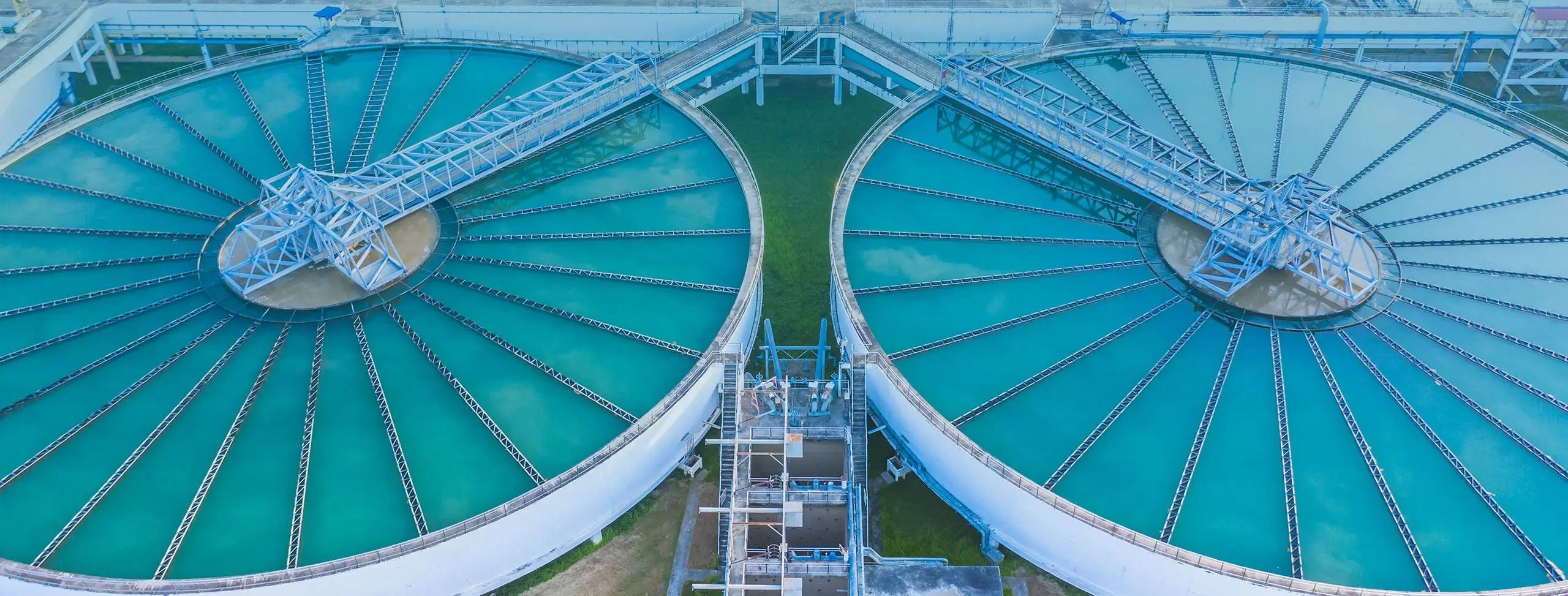
Wastewater treatment facilities are a complex of special structures designed to clean wastewater from the contaminants contained in it.
Every enterprise that has toxic liquid waste is obliged to deal with the system of treatment facilities. Thus, it will affect the state of nature, and improve human living conditions. If the treatment complexes work effectively, then the wastewater will become harmless when it gets into the ground and water bodies. The size of the treatment facilities and the complexity of treatment greatly depend on the pollution of the wastewater and its volumes.
tages of wastewater treatment
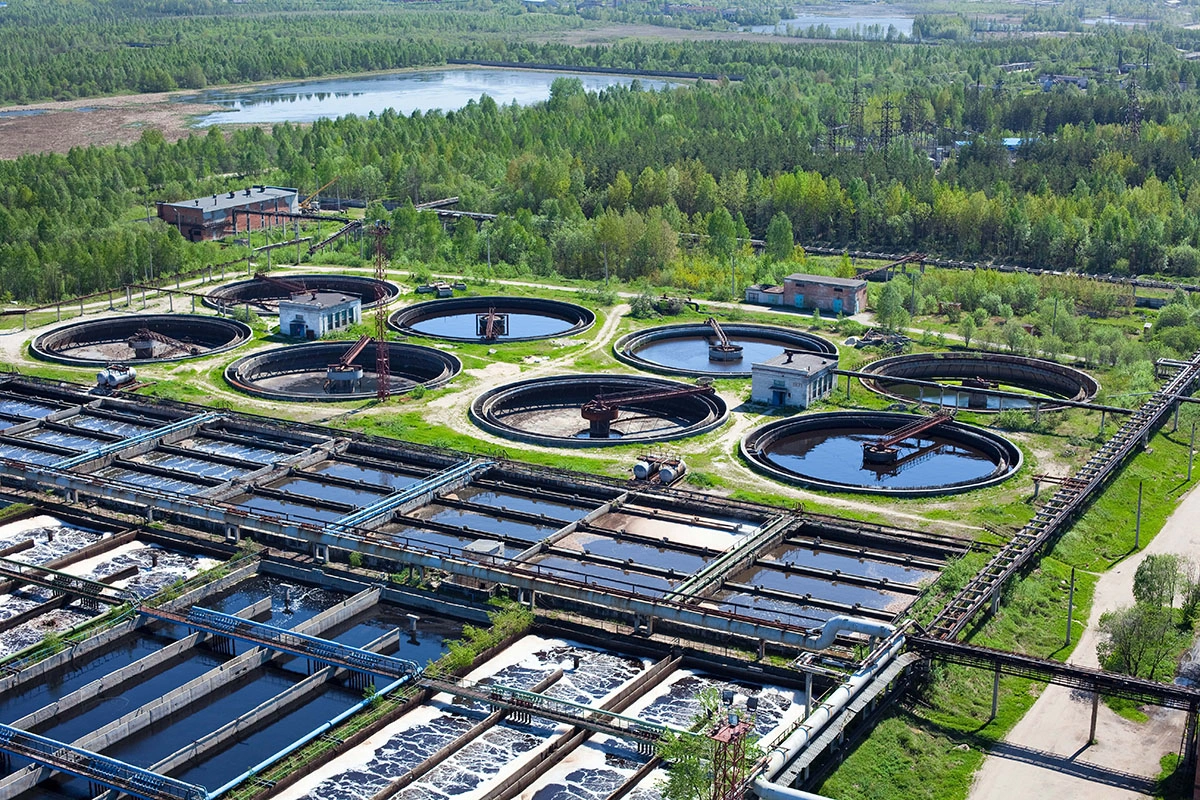
The most indicative in terms of the presence of water treatment stages are municipal or local WWTPs designed for large settlements. It is domestic wastewater that is the most difficult to clean, as it contains various pollutants. It is characteristic of sewage treatment facilities that they are built in a certain sequence. Such a complex is called a line of treatment facilities. The scheme begins with mechanical cleaning. Here, grates and sand traps are most often used. This is the initial stage of the entire water treatment process. This can be paper scraps, rags, cotton wool, bags and other debris. After the grates, sand traps come into operation. They are necessary to retain sand, including large ones.
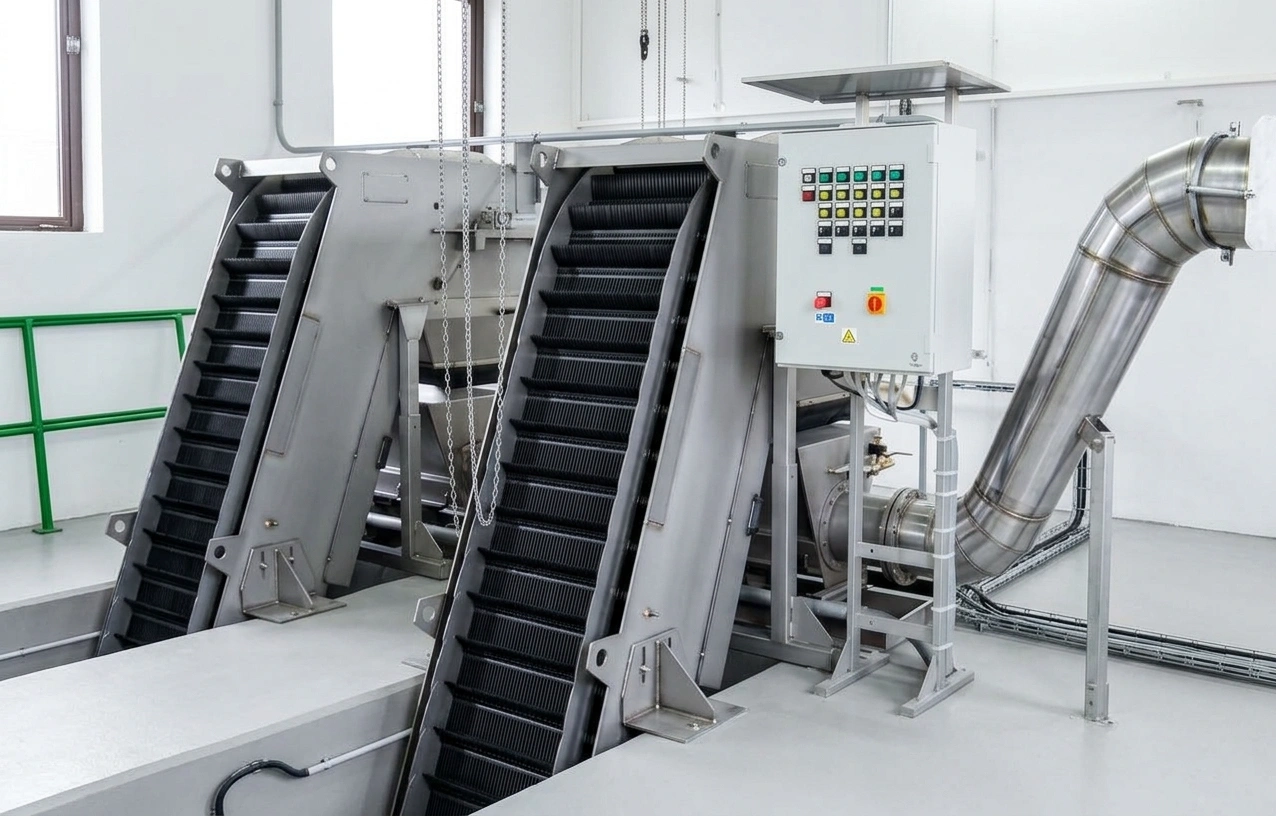
1. Grids and sieves catch large waste over 16 mm – cans, bottles, rags, bags, food, plastic, etc. This waste is then either recycled on site or taken to solid household and industrial waste recycling sites. Grids are a type of transverse metal beams, the distance between which is several centimeters.
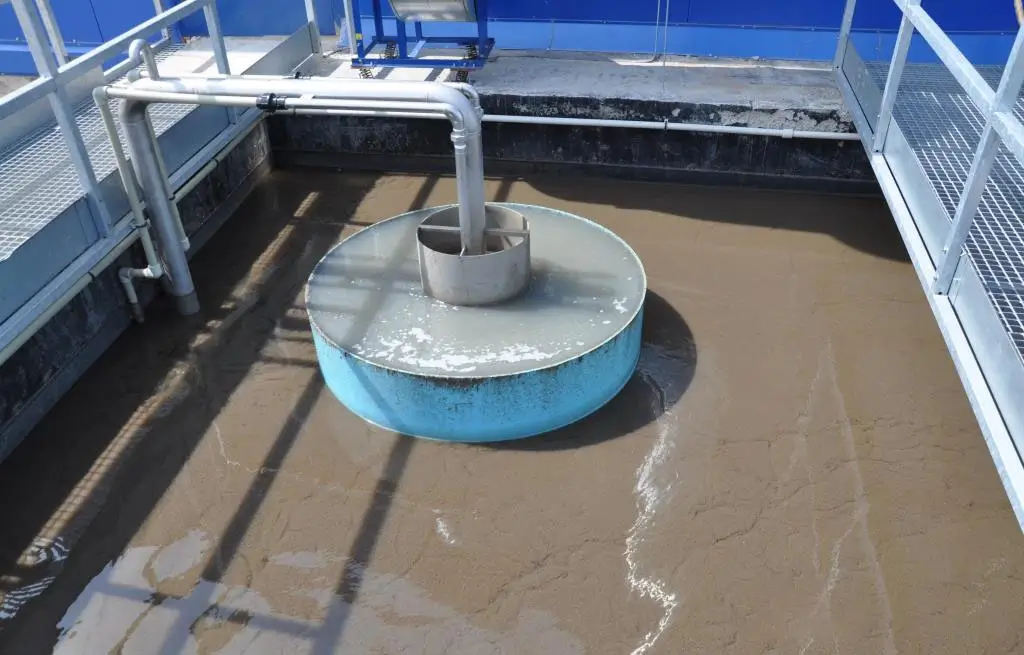
2. Sand traps. In fact, they catch not only sand, but also small stones, glass fragments, slag, etc. Sand settles to the bottom quite quickly under the force of gravity. Then the settled particles are raked into a depression at the bottom by a special device, from where they are pumped out by a pump. The sand is washed and disposed of.
3. Grease traps. All impurities that float to the surface of the water (fats, oils, petroleum products, etc.) are removed here. Similar to the sand trap, they are also removed with a special scraper, only from the surface of the water.
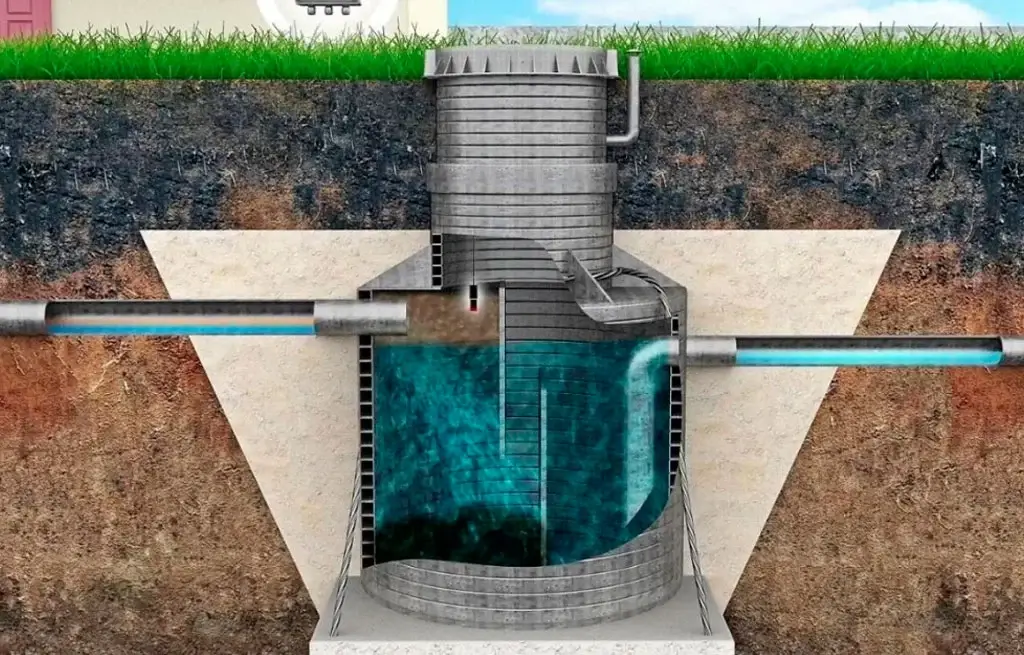
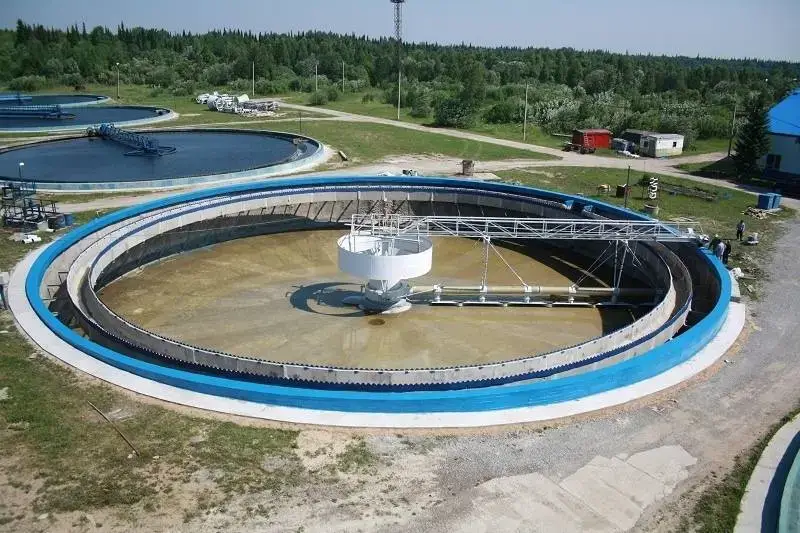
4. Sedimentation tanks are an important element of any line of treatment facilities. They are used to remove suspended solids from water, including helminth eggs. They can be vertical or horizontal, single-tier or double-tier. The latter are the most optimal, since the water from the sewerage system is purified in the first tier, and the sediment (sludge) that forms there is discharged through a special opening into the lower tier. How does the process of removing suspended solids from sewerage water occur in such structures? The mechanism is quite simple. Sedimentation tanks are large round or rectangular reservoirs where substances settle under the action of gravity.
5. Other elements of mechanical wastewater treatment can be used depending on the degree of water pollution and the design of a specific treatment facility. These include: membranes, filters, septic tanks, etc. If we compare this stage with conventional water treatment for drinking purposes, then in the latter case such facilities are not used, there is no need for them. Instead, processes of water clarification and decolorization occur. Mechanical treatment is very important, since in the future it will allow more effective biological treatment.
Biological wastewater treatment plants
Biological treatment can be either an independent treatment facility or an important stage in a multi-stage system of large urban treatment complexes.
The essence of biological treatment is the removal of various pollutants from water (organics, nitrogen, phosphorus, etc.) using special microorganisms (bacteria and protozoa). These microorganisms feed on harmful pollutants contained in water, thereby purifying it.
Aerotank
Aerotank is a rectangular tank where water after mechanical cleaning is mixed with activated sludge (special microorganisms), which cleans it. There are 2 types of microorganisms:
Aerobic - using oxygen to clean water.
Anaerobic - NOT using oxygen to clean water.
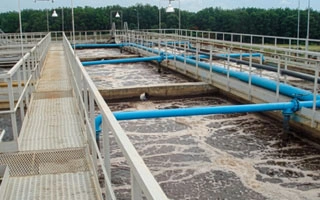
Secondary sedimentation tanks
Here, water is purified from activated sludge by settling it. Microorganisms settle to the bottom, where they are transported to the pit by a bottom scraper. A surface scraper mechanism is provided to remove floating sludge.
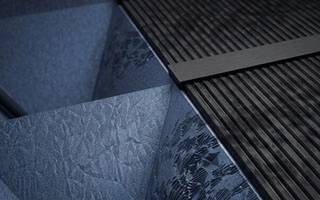
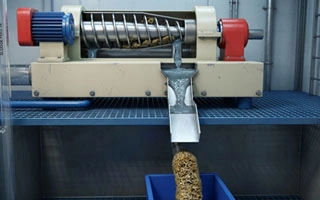
Sludge treatment
The treatment scheme also includes sludge fermentation. Of the treatment facilities, the methane tank is important. It is a reservoir for fermenting sludge that forms during settling in two-tier primary settling tanks.
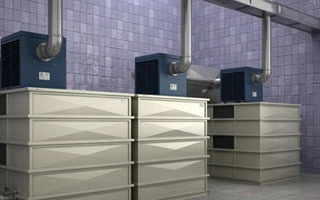
Air purification plant
An air purification plant is necessary to remove foul-smelling air and then purify it. This plant is necessary when the volume of wastewater is large enough and/or the treatment facilities are located near populated areas.
Biofilters
Biofilters are devices where wastewater is purified by passing through a filter containing active bacteria. It consists of solids, which can be granite chips, polyurethane foam, foam plastic and other substances. A biological film consisting of microorganisms is formed on the surface of these particles. They decompose organic matter. As biofilters become contaminated, they need to be cleaned periodically. Wastewater is fed to the filter in doses, otherwise high pressure can kill beneficial bacteria. After biofilters, secondary settling tanks are used. The sludge formed in them partially enters the aeration tank, and the rest of it goes to sludge thickeners. The choice of one or another method of biological treatment and the type of treatment facilities largely depends on the required degree of wastewater treatment, relief, soil type and economic indicators.
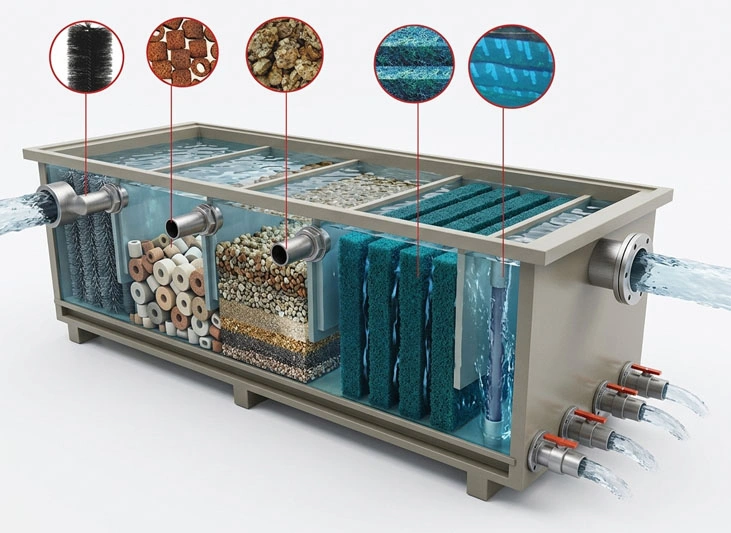
Wastewater post-treatment
After the main stages of purification, 90-95% of all contaminants are removed from wastewater. However, the remaining contaminants, as well as residual microorganisms and their waste products, prevent this water from being discharged into natural reservoirs. In this regard, various wastewater post-treatment systems were introduced at treatment facilities.
Deep post-treatment bioreactors
The following pollutants are oxidized in bioreactors:
- organic compounds that were too tough for microorganisms;
- these microorganisms themselves;
- ammonium nitrogen.
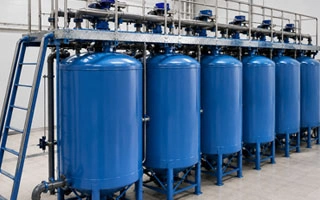
Wastewater post-treatment filters
The filters purify water using sand. The sand is continuously renewed automatically. Filtration is carried out in several units by feeding water to them from the bottom up.
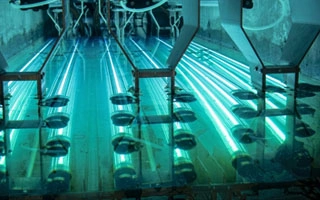
Ultraviolet water disinfection
UV is a very effective method that destroys approximately 99% of all microorganisms, including bacteria, viruses, protozoa, and helminth eggs.
Get the optimal solution
The choice of installation depends on the area of application, quality and consumption of water. We are at your service to find the optimal solution based on our know-how. Fill out the form and we will contact you.